
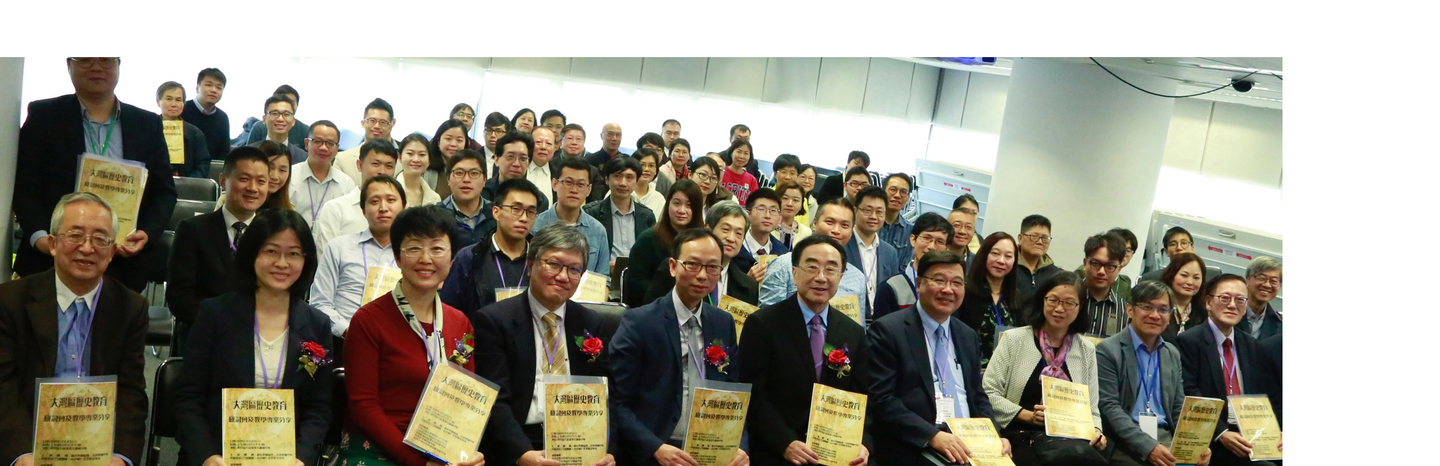
Exchange Activities
Grade 3 Lin Jianye 210042
A Brief Journey into Formosa
Formosa was first sighted by the Portuguese, who named it “Fermosa,” meaning “beautiful” in Portuguese. It is said that the Portuguese were deeply impressed by the scenery when they first landed, hence the name “beautiful island.” It was only after the late sixteenth century that the island began to be called “Taiwan.”
Participating in this Taiwan exchange tour has truly been a wonderful experience in my life. As I write, I hope to guide readers through the trip and offer a deeper understanding of Taiwan’s religious beliefs, historical culture, and humanistic atmosphere.
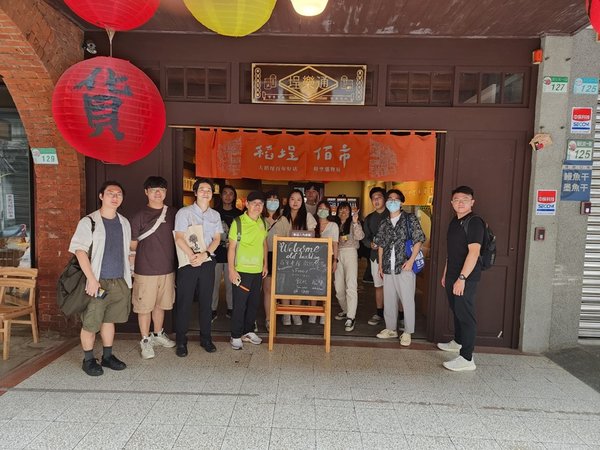
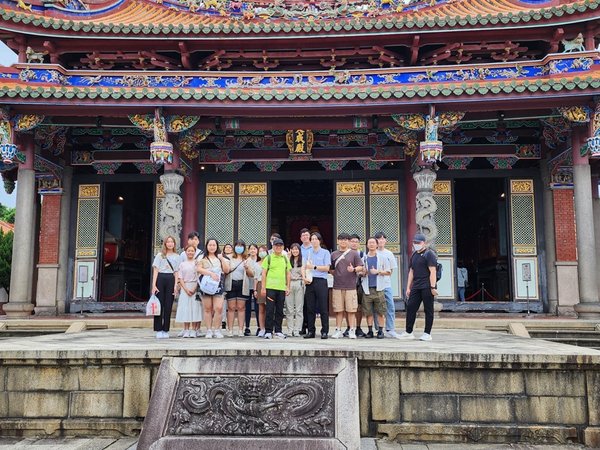
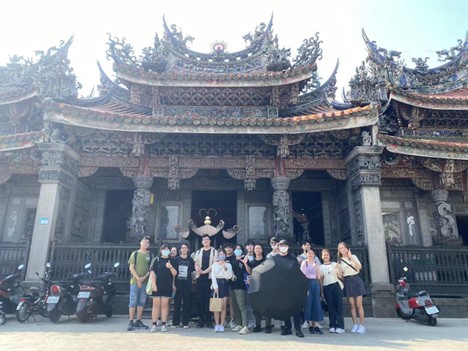
In Dadaocheng, we visited temples known for blessings in romance and learned about the unique characteristics of Taiwan’s religious practices. Watching local residents pray for love and happiness revealed a romantic sentiment deeply embedded in Taiwanese culture. Meanwhile, at the Confucius Temple, we explored Confucian culture and traditional Chinese philosophical thought. Notably, both places offered interactive experiences, such as observing rituals or participating in worship. Some of our group members even took part. At the Confucius Temple, visitors could also write down wishes for academic success, hoping for blessings in upcoming exams or assessments.
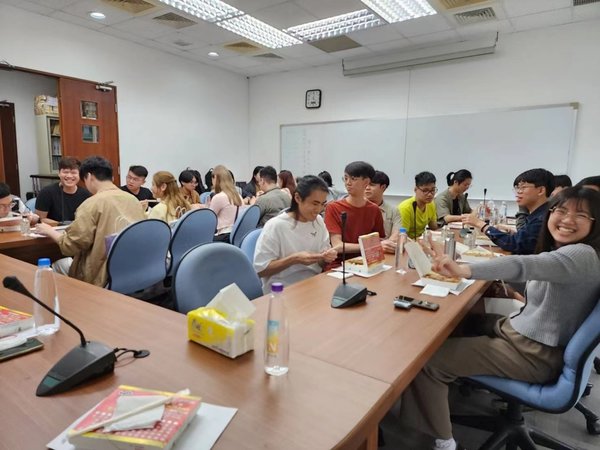
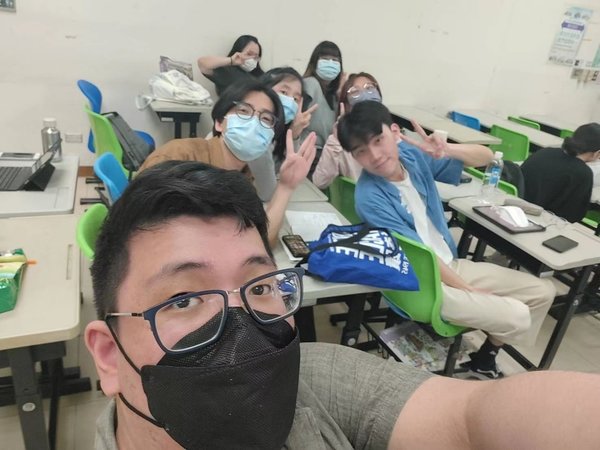
During the class‑visiting sessions, I attended courses on German History, History of Religion in Taiwan, and China’s International Relations. These were taught by scholars from different fields, providing us with broad knowledge and perspectives. The professors encouraged us to think deeply about historical and cultural transformations, as well as political and economic developments in specific periods. Students from both places also exchanged ideas, allowing us to gain preliminary insights into Taiwan’s education system, environment, and customs. Conversely, Taiwanese students also learned more about Hong Kong.
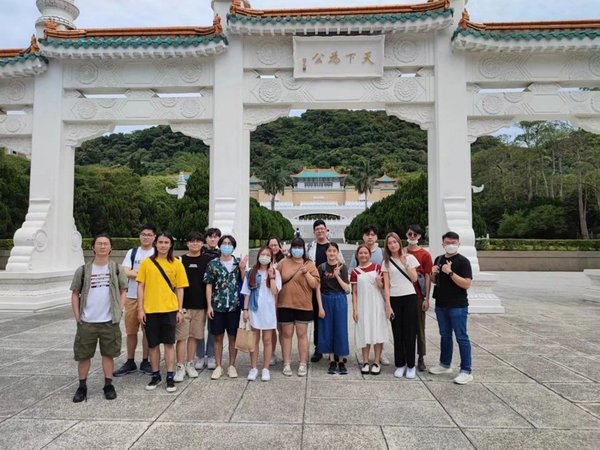
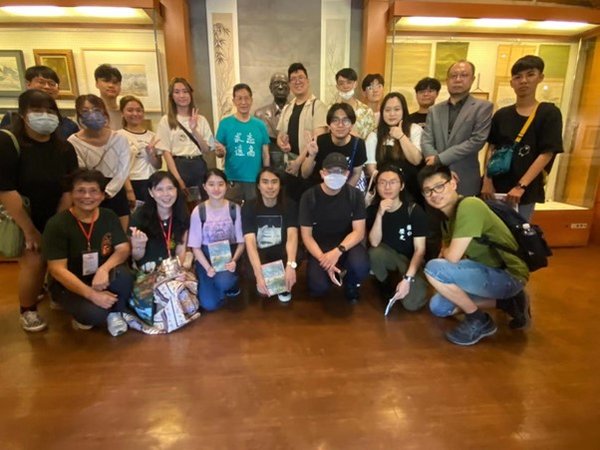
Visiting the National Palace Museum allowed us to appreciate its magnificent collection of artefacts and better understand the depths of Chinese history. China’s long historical tradition and the scale of its past empires mean its collections rival those of many major museums worldwide. At the Academia Sinica—Institute of History and Philology Exhibition Hall, we explored cultural‑creative products, East Asian historical sites, and digital humanities databases in greater depth.
As the journey comes to an end, I would like to express my gratitude to the Department of History of Hong Kong Shue Yan University and the staff who organised this exchange programme for giving us this valuable opportunity to gain a deeper understanding of Taiwanese culture. This experience has had an immeasurable impact on my life. Meeting local friends also contributed, in its own small way, to fostering interaction across the Taiwan–Hong Kong context. I sincerely hope such exchanges will continue.
Through this trip, I realised that Taiwan places greater emphasis on heritage preservation than Hong Kong, and that the career prospects for history graduates in Taiwan are more diverse. In addition to museums and research institutions, cultural‑creative industries offer another promising avenue. That said, Hong Kong is not without advantages. I believe that Hong Kong is currently in a budding stage, with increasing awareness among scholars and the public about the importance of history. This is an encouraging sign, suggesting broader prospects for history students in Hong Kong. Learning from practices in different regions—particularly Taiwan—will be crucial.
Lastly, I would once again like to thank the Department of History of Hong Kong Shue Yan University and the programme organisers for granting us this rare opportunity to explore Taiwan’s culture in depth. This exchange experience has left a lasting impact on me, and the friendships formed have helped strengthen cross‑regional interaction. I sincerely look forward to future exchanges of this kind.